
55 Lessons In 55 Years
Life Is The Best Teacher

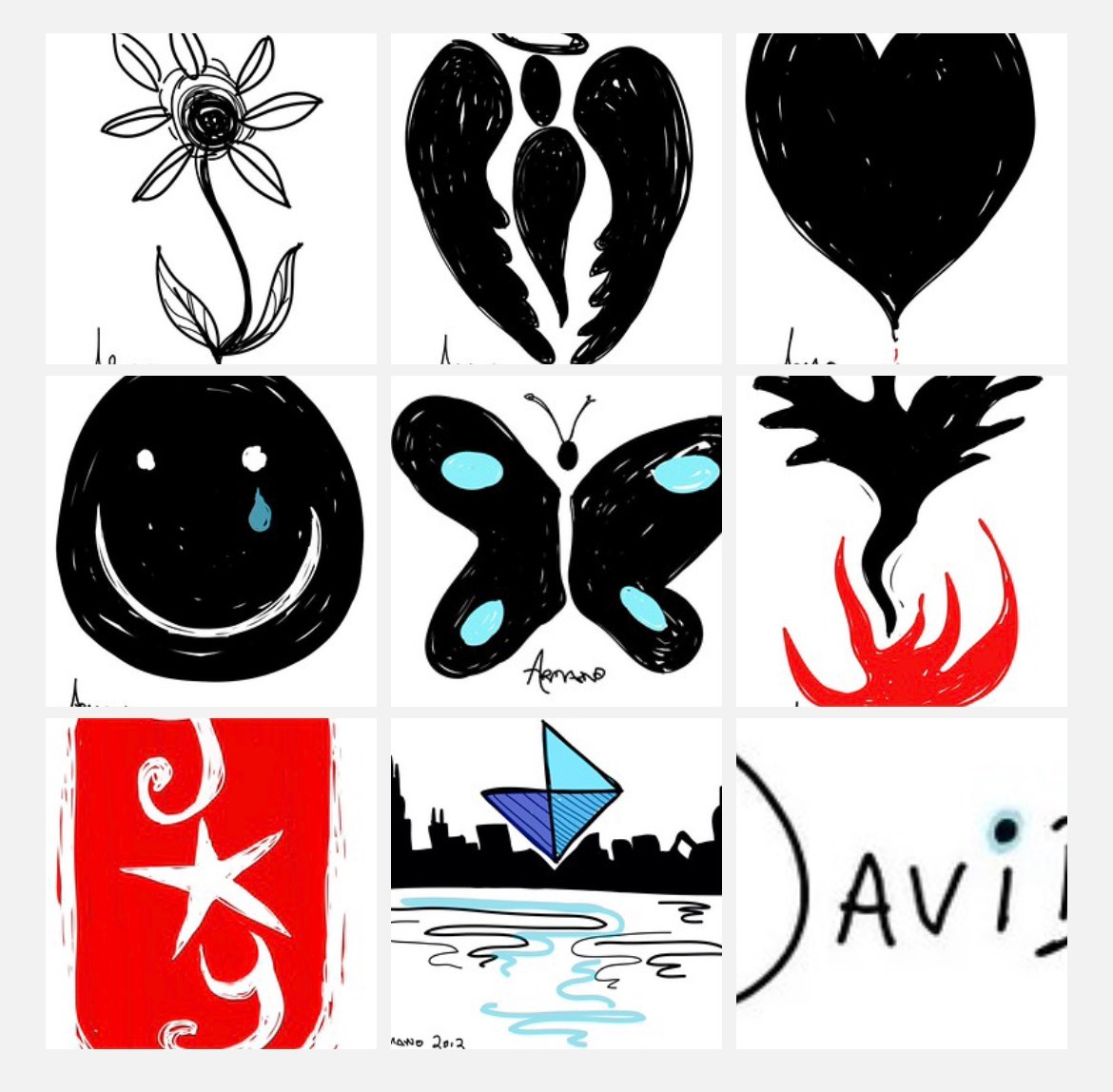
I turn 55 today.
I thought about opening with the joke about not looking a day over 45. Nobody believes those anyway.
So here’s the honest version. There’s more time behind me now than ahead of me. That does something to a person. It can make you more deliberate, more intentional, more self-aware.
At least it did for me.
I reflect more. I weigh more tradeoffs. I think about what I’d do differently, and what I’d do exactly the same.
Oftentimes I find it’s a healthy mix of both, and so I thought I’d put some of that into words.
Here are 55 things I’ve learned in 55 years.
1. Life rarely goes according to plan. I once printed and framed a manifesto titled “my next three years”. Those years came and went and looked nothing like what I wrote.
2. Your career is part of your identity. It isn’t all of it. I had to lose a job I’d held for nearly eleven years to feel the difference. What we do matters. It just isn’t all we are.
3. Boring habits produce remarkable results. Walking, moving, eating better, repeating. That’s how I lost 20 pounds and meaningfully improved my health. The basics don’t go viral. They tend to work.
4. Listen before you sell. The strongest idea in the room is often hiding inside something someone else just said.
5. Intuition deserves a vote. During my first weeks attending Pratt, something felt wrong as two strangers approached my roommate and myself. I overruled the feeling. Seconds later, a gun was pressed into my ribs. I’ve never forgotten what it could have cost by ignoring my intuition.
6. The people you love need different things from you. Fairness rarely means giving everyone the same attention. It means trying to see the person in front of you clearly.
7. Interesting work matters more than impressive work. At least it does to me now. I’d rather be absorbed by a meaningful challenge than admired for a title I no longer enjoy.
8. Wins fade faster than you think. You can win the business, build the thing, take the recognition. Eventually the organization moves on. What stays with you is who you became while doing it.
9. Use technology to create, not just consume. I told my sons this when they were teenagers with new smartphones, before any of us understood what those devices would become. Consumption is passive. Creation takes intention.
10. Rest is not a reward for finishing everything. Everything is never finished.
11. Synthesis is a superpower. Someone will always know more about a single subject than I do. My strength is seeing how the subjects connect, and making the complicated feel clear.
12. A company is not a family. Families don’t restructure you out of them. Work can give you community, purpose, and lifelong relationships. Employment is still an arrangement.
13. Small interactions shape large relationships. A moment of empathy or generosity can buy years of loyalty. A careless one can undo it just as fast.
14. Energy matters more than age. A younger colleague once told me I had “young energy,” because too many people have “old energy.” I took it as a compliment and a reminder. Curiosity has no biological expiration date.
15. Write to discover what you think. My best writing usually starts with something I’m trying to work out in my own head or heart. If it helps someone else, that’s the gift.
16. Failure comes with grief. On a flight during one of the lowest points of my career, I finger-painted a phoenix on my iPad. More than a decade later, it’s still my wallpaper. A reminder that rebuilding happens over months and years, not in a triumphant LinkedIn post.
17. Asking for help is not surrendering agency. Sometimes it’s the most intelligent way to use it.
18. Strategy without execution is observation. Thinking is essential. Eventually someone has to build the thing, test it, and learn from what happens next.
19. Your parents getting older changes your relationship with time. I recently beat my father at pool for the first time in my life. The win was fun. Getting to play mattered more.
20. Breadth is worth more once you can explain it. I’ve been a designer, creative director, strategist, operator, advisor, marketer, and writer. For years that range was hard to package. Eventually I realized that I help solve complex puzzles because I can see the entire board clearly.
21. Trust accumulates in tiny deposits. It’s rarely built in one grand gesture. It compounds through small promises kept when nobody’s keeping score.
22. A layoff is an event. The mind wants to read it as a verdict. It can feel deeply personal even when it isn’t. It takes time to separate what happened to you from what it says about you.
23. Curiosity compounds. Skills expire. Industries change. The willingness to stay interested, ask better questions, and become a beginner again is one of the few durable advantages.
24. Parenting is not the art of producing outcomes. Children become adults with their own wiring, strengths, and decisions. You can guide them, support them, love them. You can’t live their lives for them.
25. Grace is one of the most underrated forms of leadership. After an important pitch, I left a sensitive copy of our deck in a shared restroom. I confessed immediately. The senior leader just said, “It happens to the best of us.” I remember his grace more clearly than the pitch we won. Try extending grace more—you won’t regret it.
26. Relationships are more durable than networks. A network is a list of contacts. A relationship is someone who answers when you call, and someone whose call you answer.
27. Compensation and value are not the same thing. Money matters. So do autonomy, energy, meaning, and the people you spend your days with.
28. Skepticism is not cynicism. Healthy skepticism says, “Let’s look more closely.” Cynicism has already decided there’s nothing worth finding.
29. You can find your voice, lose it and find it again. Sometimes losing it sounds less like silence and more like saying only what feels safe.
30. Independence is useful until it becomes isolation. Like a lot of Gen Xers, I learned early how to figure things out alone. It took me longer to learn that some things aren’t meant to be figured out alone.
31. Transformation is a people problem in a technology costume. Tools, processes, and org charts get the attention. Leadership, incentives, trust and culture decide whether anything actually changes.
32. “Nobody cares what I think” can be surprisingly freeing. It can silence you, or free you from performing for approval. The trick is choosing the second reading.
33. Human experience becomes more valuable as life becomes more synthetic. Nothing replaces what lived experience carries: context, instinct, empathy, memory, and wisdom earned the hard way.
34. Failure deserves to be called failure. I once led a large practice and didn’t succeed. Some of it was beyond my control. Some of it I could have handled better. Both are true.
35. Build a body of work, not only a résumé. A résumé records where you worked. A body of work reveals how you think, what you care about, and what you can make.
36. Burnout doesn’t always show up where you expect it. Mine never touched my performance at work. It showed up everywhere else: the newsletter I stopped writing, the exercise that got harder, the aimless scrolling when I had nothing left to give.
37. Adapting doesn’t mean abandoning who you are. Adapting doesn’t mean chasing every new thing. It means carrying your judgment, values, and experience into whatever comes next.
38. Old relationships can restore what work cannot. Reconnecting with former colleagues, a high school friend I hadn’t seen in more than 30 years, and one of my best friends from childhood reminded me how restorative shared history can be.
39. Storytelling is not decoration. Facts tell people what happened. A story helps them understand why it matters.
40. “Enough” is a strategy. More money, influence, recognition, and responsibility all carry costs. Knowing what’s enough gives you the freedom to choose differently.
41. Underachievement is sometimes delayed alignment. Some people bloom late because the systems measuring them early weren’t built to see what they could become.
42. Intuition and evidence work better together. A feeling is a signal, not always a conclusion. Investigate it. Validate it. But don’t dismiss it just because it arrived before the facts.
43. The future is always TBD. That used to feel like uncomfortable uncertainty. Now I see it as a permanent condition, and sometimes an invitation.
44. Silos aren’t boxes on an org chart. They’re behaviors, incentives, and competing definitions of success. You don’t break them with a workshop. You give people a reason to cross them.
45. A weakness can become a strength if you work on it long enough. I wasn’t naturally organized early in my career. After years of compensating with intent, I’m sometimes the most organized person on an initiative.
46. Judgment becomes more valuable as answers become easier to produce. Technology can hand us more information, output and options than ever. Knowing what’s true, worthwhile and humane still asks something of us.
47. Consistency outperforms inspiration. Inspiration gets the credit. Returning to the work is what produces something.
48. Ageism is real. So is the value of experience. We shouldn’t romanticize getting older. We also shouldn’t accept that relevance belongs only to the young.
49. Proximity matters. Call your mother. Show up for your friend. Walk the neighborhood. Talk to the person in front of you. The more digital life gets, the more physical presence counts.
50. Ambition has a shadow. There was that time when my admin made the mistake of flying me coach from Tel Aviv, which felt beneath me—because I was an executive after all. Today I’m grateful when the plane lands safely and gets me home.
51. Loss rearranges your priorities. Losing someone doesn’t just make you sad. It changes how you weigh work, time, risk, and what counts as a life well lived.
52. Give before you need. The worst time to discover you haven’t kept up your relationships is the moment you urgently need them.
53. A simpler life can create more options. Losing a steady income during the pandemic forced me to rethink what I needed, what I spent, and how I wanted to live. Sometimes reducing your dependencies expands your freedom.
54. The most human thing I do all day is decide what not to hand off. I can delegate the summary, the first draft, the search. What I protect is the judgment call and the hard conversation. Convenience got cheap. Discernment still isn’t for sale.
55. I am still to be determined. Fifty-five sounds old when you’re 25 and young when you’re 85. From where I stand, it feels like a threshold. Experienced enough to recognize some patterns. Humbled enough to know how much I still don’t understand.
And curious enough to keep going…
So there they are. 55 lessons from 55 years of wins, wipeouts, wrong turns, reinventions, and relationships—while learning every step of the way.
I reserve the right to revise this list at 56.
The future, after all, is TBD.
Visually yours,
Did you enjoy what you just read? Please consider forwarding it to a friend or five.
Want more insight? The TBDaily is a human-curated, AI-automated daily briefing that provides fresh takes on what’s shaping the future of AI, Technology, Culture, Work, Health, and more. The TBDaily is trained by me to see around corners and to help future-proofers like you stay curious, inspired, and informed. The future is TBD. Get up to speed daily.
David Armano is a futurist, strategist, and Enterprise AI transformation leader who helps his colleagues, clients, and community solve intricate business challenges and see a clear path forward.
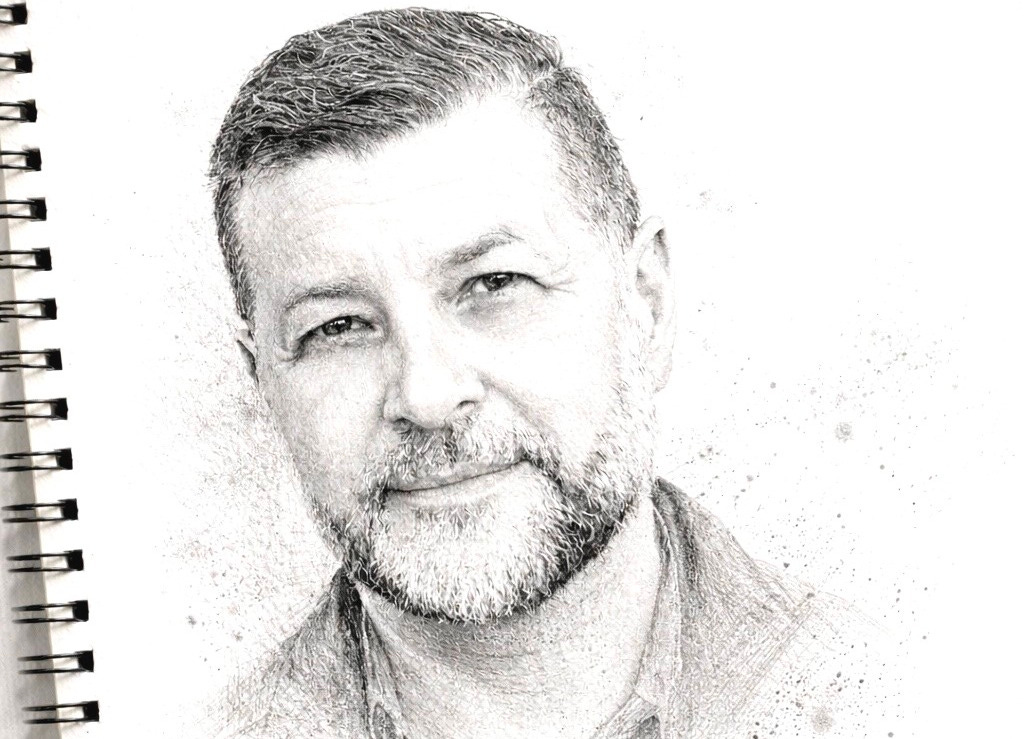
He’s known for his unique approach to visual thinking and for insightful yet grounded takes on intelligent experiences, culture, and leadership. In addition to his day job, he writes David by Design to translate complex shifts into actionable ideas.
Needed this. Thanks. Beautiful list. And a late happy birthday.
Just outstanding. Just outstanding! Your writing as always been an inspiration to me, but this takes the prize. Happy Birthday, David!